
💊 MDMA & Ecstasy Guide Europe – Effects, Safety, Risks & Legal Information
Introduction
MDMA & Ecstasy Guide Europe, MDMA, often associated with the name “ecstasy,” is a psychoactive substance known for its stimulating and empathogenic effects. At Getatrip.eu, we provide educational, harm reduction–focused information to help people better understand MDMA use and safety in a European context.
This guide explains how MDMA works, its effects, duration, health risks, harm reduction practices, and the legal situation across Europe.
What Is MDMA?
MDMA (3,4-methylenedioxymethamphetamine) is a synthetic substance that affects mood, energy, and emotional perception. It is often described as both a stimulant and an empathogen, meaning it can increase feelings of connection and emotional openness.
MDMA is commonly found in:
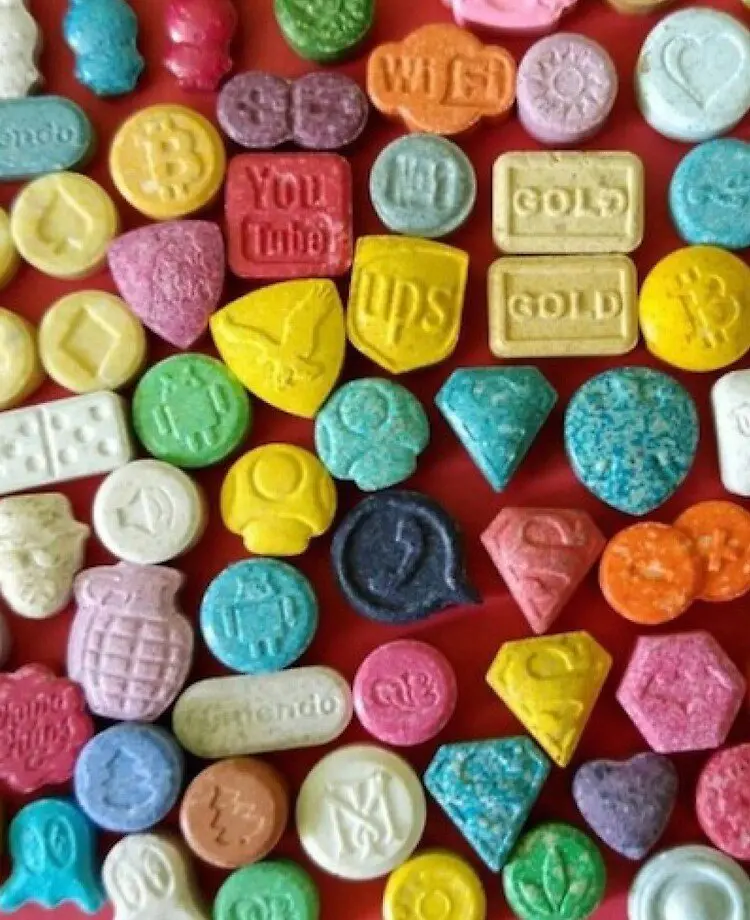
- Tablets (often called ecstasy pills)
- Powder or crystal form (sometimes referred to as molly)
Appearance does not guarantee purity or contents, and substances sold as MDMA may contain other compounds.
How MDMA Works in the Brain
MDMA primarily affects three brain chemicals:
- Serotonin – influences mood and emotional connection
- Dopamine – linked to pleasure and reward
- Norepinephrine – increases alertness and heart rate
This combination leads to both emotional and physical effects, which can place strain on the body if not managed carefully.
Effects of MDMA
Desired Effects
- Feelings of empathy and emotional closeness
- Elevated mood and euphoria
- Increased energy and alertness
- Enhanced sensory perception (music, touch, lights)
Possible Negative Effects
- Jaw tension and teeth grinding
- Increased heart rate and blood pressure
- Anxiety or restlessness
- Overheating and dehydration
After effects wear off, some people experience low mood or fatigue.
Duration of MDMA Effects
- Onset: 30–60 minutes
- Peak: 1.5–3 hours
- Total duration: 4–6 hours
- After-effects: Fatigue, low mood, or sleep disturbance in the following days
Spacing experiences widely is often discussed in harm reduction contexts to reduce strain on the brain and body.
Risks and Health Considerations
MDMA places stress on the cardiovascular and nervous systems.
Higher risks may occur when:
- Used in hot, crowded environments
- Combined with alcohol or other stimulants
- Taken in high or repeated amounts
- The substance contains unknown adulterants
People with heart conditions, high blood pressure, or mental health disorders should avoid MDMA due to increased risks.
Mental Health and MDMA
Because MDMA strongly affects serotonin, mood changes can occur after use.
Some people may experience:
- Temporary low mood in the days after use
- Sleep disruption
- Increased anxiety
Frequent use may increase the likelihood of longer-lasting mood effects.
Harm Reduction Principles
Harm reduction focuses on lowering risks through awareness and preparation.
- Avoid mixing MDMA with alcohol or other substances
- Stay hydrated, but avoid excessive water intake
- Take breaks from dancing and cool down regularly
- Be cautious of unknown or misrepresented substances
- Allow significant time between experiences
👉 See our Psychedelic Harm Reduction Guide for more general safety practices.
Legal Status of MDMA in Europe
MDMA is classified as a controlled substance in most European countries.
- Possession, sale, and production are generally illegal
- Some countries may apply reduced penalties for small personal amounts, but laws vary
- Legal consequences differ by country and situation
Always consult official local sources for up-to-date legal information.
FAQs
Q: Is MDMA addictive?
A: MDMA is not typically associated with physical dependence, but psychological patterns of use can develop.
Q: Why do people feel low after using MDMA?
A: MDMA affects serotonin levels, which may contribute to temporary low mood or fatigue afterward.
Q: Can MDMA be safely combined with alcohol?
A: Mixing substances increases risks such as dehydration, overheating, and strain on the heart.
Q: What helps reduce health risks at festivals or clubs?
A: Staying hydrated, cooling down, taking breaks, and avoiding mixing substances are commonly discussed harm reduction practices.
⚠️ Educational Disclaimer
This content is provided for educational and harm reduction purposes only. Getatrip.eu does not promote illegal activity. Always follow the laws in your country and seek medical help in emergencies.