Where to Buy Mimosa Hostilis in Switzerland: Facts, Legal Context & Safe Alternatives
Introduction
Many people search for “Where to buy Mimosa Hostilis in Switzerland” out of curiosity about natural plant materials that are discussed online in the context of traditional ceremonies or chemistry. Mimosa hostilis (also called jurema or M. tenuiflora) is a plant native to parts of Central and South America known for its bark, which contains a variety of compounds.
This article explains what Mimosa hostilis is, what the law in Switzerland says, the risks associated with trying to obtain controlled precursors, and safe, legal alternatives for education and plant-based interests.
What Is Mimosa Hostilis?
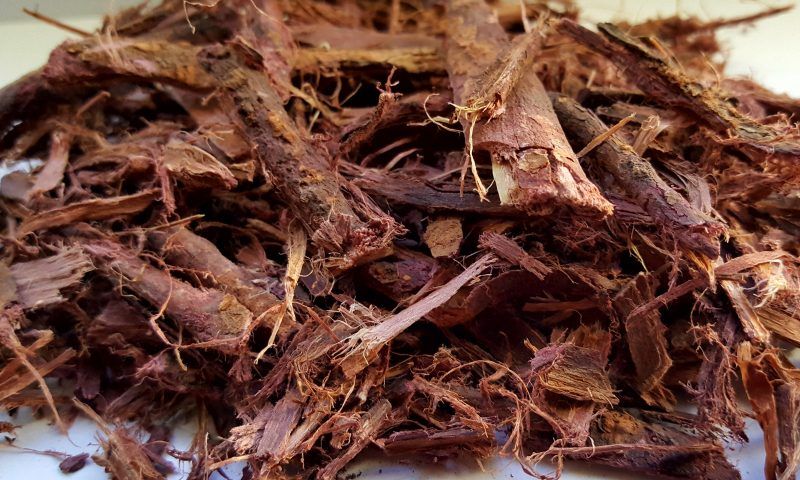
Mimosa hostilis is a shrub whose inner bark has been used traditionally by Indigenous communities for cultural and ritual purposes. The plant contains various natural compounds, and in some settings is discussed as a source material in chemical contexts.
It is not a food product and is not widely sold as an edible botanical in mainstream retail.
Legal Status in Switzerland
Switzerland has laws that regulate controlled substances and chemical precursors:
- Certain plant materials that contain compounds used to produce controlled drugs may be regulated under Swiss narcotics and precursor laws.
- Possession, distribution, or import of plant materials intended for chemical extraction that produce controlled substances can carry legal penalties, even if the plant itself is not explicitly listed by name.
For this reason:
- There is no official “legal marketplace” in Switzerland where Mimosa hostilis is sold for psychoactive use.
- Online sellers that advertise Mimosa hostilis for extraction purposes may still be operating outside Swiss law.
Because chemical conversion or extraction of controlled substances is prohibited, attempting to acquire plant precursors for that purpose may carry legal risk.
Why People Search for “Where to Buy”
Interest in Mimosa hostilis often comes from:
- Curiosity about plant biology, traditional cultural uses, or ethnobotany
- Exposure to online discussions about psychoactive compounds
- Academic interest in plant-derived chemistry
It’s important to distinguish curiosity or research interest from illegal acquisition and use.
Safety Considerations
Even when a plant is natural, it does not mean it is safe to handle or process in ways that alter its chemistry:
- Chemical extraction or consumption of plant materials without guidance can lead to unpredictable health effects
- DIY processing of plant materials into other compounds may expose people to toxic reactions, skin damage, inhalation hazards, or legal trouble
So whether you’re curious about ethnobotany, chemistry, or traditional plant use, understand the risks before acting.
Legal & Educational Alternatives in Switzerland
If interest in Mimosa hostilis comes from a desire to learn about plants, herbal traditions, or chemistry, there are legal and safe ways to explore:
🌱 Study Ethnobotany and Cultural Uses
Research traditional uses of plant materials in academic or library sources.
📚 Learn About Plant Chemistry Safely
Take courses or read textbooks on botany or phytochemistry from reputable sources.
🌿 Explore Legal Herbal Products
Switzerland allows sale of many legal herbs and plants for culinary, aromatic, or gardening purposes. These are widely available at:
- Gardening stores
- Organic food markets
- Herb shops
These products are safe to buy and use within their intended purposes.
🎓 Engage With Scientific Communities
Universities and research groups may offer seminars, public talks, or introductory courses on plant species and chemical ecology.
What Not to Do
To stay within the law and protect your safety:
❌ Do not seek out sellers that advertise Mimosa hostilis specifically for chemical extraction
❌ Do not attempt to extract chemicals at home without proper training
❌ Avoid engaging with unverified online markets that promise plant precursors for psychoactive substances
FAQs
Is Mimosa hostilis legal to buy in Switzerland?
Mimosa hostilis is not a widely sold legal food or herb in mainstream Swiss markets. Acquiring and processing it for controlled substance production can be illegal.
Can I grow Mimosa hostilis at home?
Growing ornamental or non-controlled plants for gardening is different from processing them for chemical extraction. Always check local plant import and cultivation laws.
Are there safe alternatives for learning about plant chemistry?
Yes — botanical books, university courses, and horticulture resources offer legal, safe ways to learn.
What should I consider if I see online sellers?
Verify that products are sold for legal uses (e.g., craft, botanical interest) and not for extraction of controlled compounds. Be cautious of misleading marketing.
Final Thoughts
Searching for “Where to buy Mimosa hostilis in Switzerland” may reflect curiosity about plants, chemistry, or tradition. However, the legal and safety landscape in Switzerland means there is no legal recreational or extraction market for plant materials used to obtain controlled compounds.
Focusing on education, botanical research, and legal plant products is the safest and most responsible path. If you’re curious about plant chemistry or traditional botanical practices, consider exploring legal courses, books, or community classes that deepen your understanding without risking health or legal consequences.