Should Psychedelics Be Legal in Europe? Exploring the Debate
Should Psychedelics Be Legal in Europe, Psychedelics are gaining attention in Europe for their potential mental health benefits, research applications, and cultural significance. But should they be legal? This guide explores the current laws, medical potential, risks, and arguments on both sides.
🌿 What Are Psychedelics?
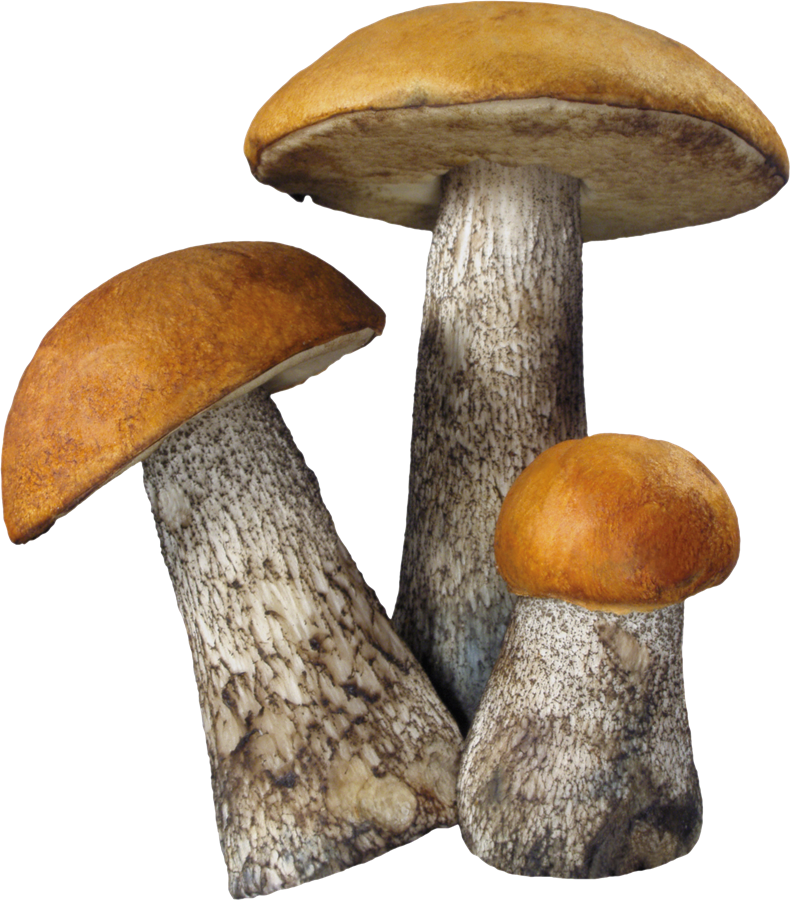
Psychedelics are substances that alter perception, mood, and cognition. Common examples include:
Europe has traditionally classified these substances as controlled drugs, but recent research and medical use have sparked discussions on legalization and decriminalization.
🧠 Arguments For Legalization
1. Medical and Therapeutic Potential
Research shows psychedelics may help with:
- Treatment-resistant depression
- PTSD (post-traumatic stress disorder)
- Anxiety and end-of-life distress
- Addiction therapy
Countries like Switzerland and the Czech Republic are leading regulated medical programs, showing controlled legalization can be safe.
2. Scientific Research and Innovation
Legal access allows universities and hospitals to conduct large-scale studies, improving understanding of mental health treatments and neurobiology.
3. Harm Reduction and Safety
Proponents argue that legal frameworks reduce risks by providing quality-controlled substances, education, and medical supervision.
4. Economic and Cultural Considerations
Legalized and regulated psychedelic therapy could create new healthcare sectors while reducing the burden of prosecuting low-risk personal use.
⚖️ Arguments Against Legalization
1. Health and Safety Risks
Even in controlled settings, psychedelics can:
- Trigger anxiety, paranoia, or psychosis in vulnerable individuals
- Lead to accidents if used irresponsibly
- Have unknown long-term effects
2. Regulatory Challenges
Creating a safe, regulated market across multiple European countries is complex and costly.
3. Cultural and Ethical Concerns
Some argue that widespread legalization could normalize drug use, potentially leading to misuse or social harm.
🌍 Current Legal Status in Europe
| Country | Status | Notes |
|---|---|---|
| Czech Republic | Medical psilocybin legal (2026) | Only in licensed therapy settings |
| Switzerland | Limited medical use | Includes psilocybin, LSD, MDMA |
| Germany | Compassionate use programs | Mainly for research and treatment-resistant patients |
| Netherlands | Psilocybin truffles legal | Limited recreational use, mushrooms still illegal |
| Most EU countries | Illegal | Recreational and non-research use prohibited |
Europe’s approach remains cautious, medical, and research-driven, not recreational.
🧪 Potential Middle Ground
Many experts advocate for decriminalization rather than full legalization:
- Possession and use are treated as a health issue, not a criminal one
- Controlled medical programs continue
- Education and harm reduction are prioritized
❓ FAQ
Q: Are psychedelics legal anywhere in Europe?
A: Legal recreational use is rare. Medical or research use exists in countries like Switzerland, the Czech Republic, and Germany.
Q: Would legalization increase mental health treatment access?
A: Potentially. Medical legalization allows more patients to access supervised therapy safely.
Q: Are there risks to legalization?
A: Yes — improper use, accidents, and psychological risks remain concerns, especially without education and supervision.
Q: Is decriminalization different from legalization?
A: Yes. Decriminalization removes criminal penalties for possession/use but does not allow commercial sales, whereas legalization regulates production, sale, and consumption.
🔮 Bottom Line
The debate over psychedelic legalization in Europe is complex. Scientific evidence supports therapeutic use, but risks and regulatory challenges remain.
Europe’s current trend favors:
- Medical frameworks for therapy
- Research access for science
- Decriminalization in some regions for low-risk use
Full recreational legalization is not imminent, but awareness, research, and harm-reduction policies are paving the way for safer, informed access.