
Are Psychedelics Spiritual or Just Chemical? Understanding the Debate
Psychedelics can produce profound experiences—feelings of unity, transcendence, or mystical insight. But are these experiences spiritual breakthroughs, or simply the result of chemical changes in the brain? This guide explores the science, cultural perspectives, and harm-reduction principles in a safe, educational way.
🌿 What Psychedelics Do to the Brain
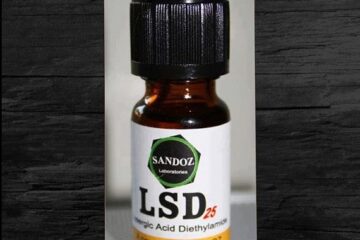
Psychedelics such as psilocybin, LSD, DMT, and ayahuasca primarily act on the serotonin system, especially the 5-HT2A receptor. Key effects include:
- Altered perception of time, space, and self
- Increased connectivity between normally separate brain regions
- Decreased activity in the Default Mode Network (DMN), linked to ego and self-focused thought
These neurochemical changes help explain why psychedelics can produce mystical or spiritual-like experiences.
🧠 The Chemical Perspective
From a scientific standpoint:
- Psychedelic experiences result from temporary changes in brain activity
- Emotional highs, visual distortions, and feelings of unity can all be mapped to neuronal network changes
- Some researchers describe experiences like ego dissolution or awe as “brain-generated phenomena”
Key point: Chemistry in the brain explains how psychedelics work, but it doesn’t necessarily explain the subjective meaning of the experience.
✨ The Spiritual Perspective
Many users report experiences that feel profoundly spiritual, including:
- Ego dissolution and unity with the universe
- A sense of connection to nature, humanity, or a higher power
- Long-lasting personal insight and life-changing perspective shifts
Historically, psychedelics have been used in ceremonial, religious, and shamanic practices for centuries. In these contexts, the experiences are considered sacred and transformative, not just chemical reactions.
⚖️ Bridging the Gap: Science Meets Spirituality
Modern research suggests that:
- Brain activity changes underlie the psychedelic experience
- Subjective meaning—whether interpreted as spiritual or therapeutic—varies between individuals
- Both perspectives are valid: the experience is chemical, yet deeply meaningful for many users
This dual perspective helps explain why psychedelics are used both in clinical research and traditional spiritual practices.
⚠️ Safety and Considerations
- Psychedelic experiences can be intense and challenging
- People with psychosis, bipolar disorder, or severe anxiety are at higher risk of adverse effects
- Safe environments, low doses, and supervision minimize risks and enhance meaningful experiences
- Legal risks: Most psychedelics remain controlled substances in Europe, except in research or ceremonial contexts
✅ Harm-Reduction Tips
- Mindset & setting: A calm and supportive environment reduces the chance of distress
- Start with low doses: Especially for first-time users exploring spiritual or therapeutic experiences
- Integration: Reflection and discussion afterward help process insights safely
- Trusted guidance: Experienced facilitators or therapists improve safety and depth
- Avoid high-risk individuals: Those with severe psychiatric conditions should not use psychedelics
❓ FAQ
Q: Are psychedelic experiences real spirituality or just brain chemistry?
A: Both perspectives are valid. Brain chemistry explains the effects, but subjective interpretation can be deeply spiritual and transformative.
Q: Can psychedelics lead to lasting personal growth?
A: Yes, when experiences are integrated thoughtfully and safely, they often lead to positive life changes.
Q: Are some psychedelics more “spiritual” than others?
A: Traditional plant medicines like psilocybin mushrooms or ayahuasca are often associated with spiritual use, but lab-made psychedelics can produce similar effects under the right conditions.
Q: Are these experiences safe?
A: Most healthy adults can have safe experiences under controlled conditions. Vulnerable individuals or unsafe environments increase risk.
🔮 Bottom Line
Psychedelics are both chemical and potentially spiritual. While brain activity explains the mechanics of the experience,
Safe, informed, and guided use — with attention to harm reduction and integration — maximizes the benefits of both therapeutic and spiritual dimensions.