Natural Psychedelics vs Lab-Made Psychedelics: What’s the Difference?
Natural Psychedelics vs Lab-Made, Psychedelics come in many forms — some grow naturally in the wild, while others are synthesized in labs. Understanding the differences can help users make informed, safe choices and appreciate how effects, safety, legality, and cultural context vary.
🌱 What Are Natural Psychedelics?
Natural psychedelics are compounds produced by plants, fungi, or other organisms. Examples include:
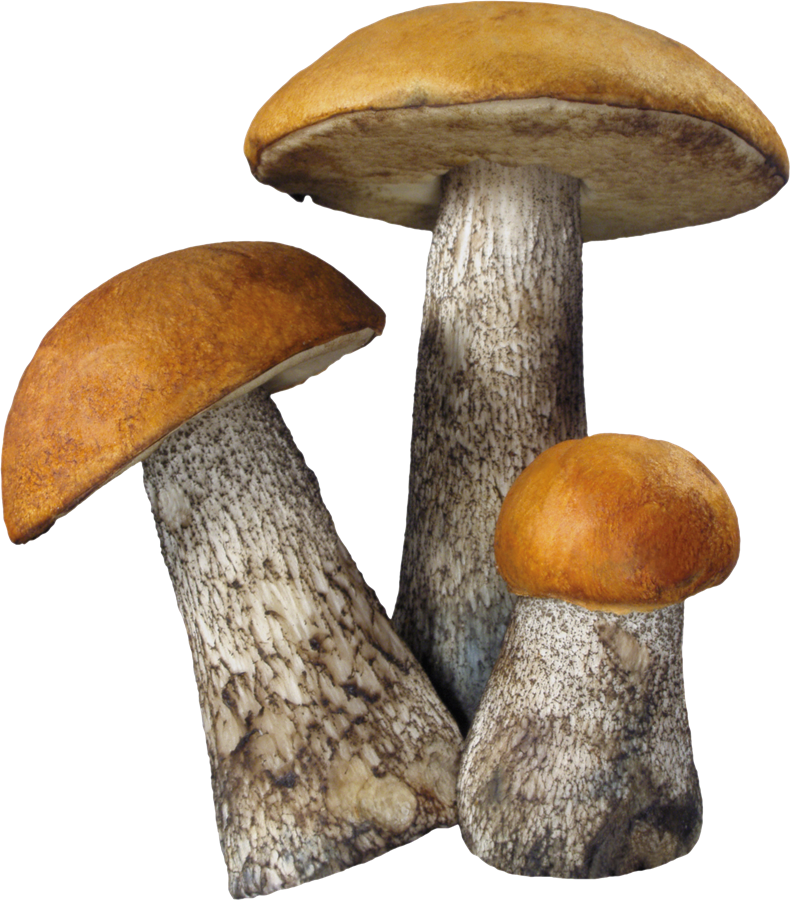
- Psilocybin mushrooms – “magic mushrooms”
- Ayahuasca – brewed from Banisteriopsis caapi and Psychotria viridis
- Peyote & San Pedro cactus – containing mescaline
- Salvia divinorum – salvinorin A
Key features:
- Long history of traditional and spiritual use
- Complex plant matrices can slightly modify effects
- Legal status varies by country
Many users seek natural psychedelics for their ritual, cultural, or holistic qualities.
🧪 What Are Lab-Made Psychedelics?
Lab-made or synthetic psychedelics are created chemically in a laboratory. Examples include:
Key features:
- Precise dosing and purity possible
- Effects are often predictable and consistent
- Easier to produce in regions where natural psychedelics are illegal
- Can lack the cultural or spiritual context of traditional psychedelics
Lab-made substances are often preferred in scientific research for reliability and dosage control.
⚖️ Differences in Effects
| Feature | Natural Psychedelics | Lab-Made Psychedelics |
|---|---|---|
| Origin | Plants, fungi, or cacti | Chemically synthesized in labs |
| Experience | Often complex, layered, spiritual | Often precise, predictable, and potent |
| Duration | Varies (e.g., psilocybin 4–6 hrs) | Varies (e.g., LSD 8–12 hrs) |
| Cultural Context | Rich traditional use | Modern recreational or research use |
| Legality | Often restricted or semi-legal | Mostly illegal except in trials |
🔬 Safety Considerations
Natural Psychedelics:
- Purity depends on identification — some mushrooms are poisonous
- Plant compounds may vary by species, region, or batch
- Effects can be unpredictable if dosage is unknown
Lab-Made Psychedelics:
- Chemically pure if made correctly, but street sources can be adulterated
- Dosage is usually more precise
- Users may underestimate potency or combination effects
Bottom line: Both natural and synthetic psychedelics carry psychological risks and require safe set, setting, and preparation.
🌍 Legal Considerations in Europe
- Natural psychedelics: Psilocybin truffles legal in the Netherlands; other plants often illegal
- Lab-made psychedelics: LSD, MDMA, and research chemicals largely illegal; some trials ongoing in Germany, Switzerland, and Portugal
- Decriminalized regions (Portugal) focus on health rather than punishment
Legal status can heavily influence safety, as black-market substances carry higher contamination risks.
💡 Choosing Between Natural and Lab-Made
When deciding what to try:
- Consider purpose: Spiritual exploration vs. precise research-like experience
- Check legality: Never assume legality based on availability
- Assess safety: Verify identification, dosage, and source quality
- Plan set & setting: Environment and mindset are more important than the substance itself
Both forms can provide deep insights, but approach responsibly.
❓ FAQ
Q: Are natural psychedelics safer than synthetic ones?
A: Not automatically. Both can be safe or risky depending on dose, set, and setting.
Q: Can lab-made psychedelics replicate traditional experiences?
A: Chemically yes, but they may lack ritual or cultural significance.
Q: Which lasts longer — natural or lab-made?
A: Depends on the substance: psilocybin 4–6 hrs, LSD 8–12 hrs.
Q: Are there health benefits to natural vs lab-made?
A: Both show potential in therapy; traditional natural psychedelics may offer additional contextual or spiritual benefits.