History of Psychedelic Plant Use in Europe
History of Psychedelic Plant Use in Europe, Psychedelic plants are often associated with South America or Indigenous cultures elsewhere in the world — but Europe also has a long, complex history with psychoactive plants and fungi.
From ancient rituals to medieval folk medicine and modern scientific research, psychoactive plants have shaped European culture in subtle and sometimes controversial ways.
This guide explores the historical, cultural, and anthropological context of psychedelic plant use in Europe.
🌿 Ancient Europe and Psychoactive Plants
Long before modern drug laws existed, psychoactive plants were used in ritual, healing, and spiritual contexts.
Archaeological and historical evidence suggests the use of:
- Amanita muscaria (fly agaric mushroom)
- Atropa belladonna
- Hyoscyamus niger
- Mandragora officinarum
These plants contain psychoactive alkaloids capable of altering perception, inducing visions, or producing trance-like states.
Some were likely used in:
- Shamanic rituals
- Divination practices
- Healing ceremonies
- Fertility rites
Exact details are debated among historians, but evidence suggests psychoactive plants were part of Europe’s early spiritual landscape.
🍄 The Mystery of Amanita muscaria
The red-and-white fly agaric mushroom appears in European folklore, especially in northern and eastern regions.
Some researchers believe it was used in:
- Siberian and northern Eurasian shamanic traditions
- Possibly early Indo-European ritual contexts
While Amanita muscaria is not psilocybin-based, it produces altered states through different compounds (muscimol and ibotenic acid). Effects differ greatly from modern “magic mushrooms” and can be unpredictable or physically uncomfortable.
Its symbolic presence in winter festivals and fairy tales continues today.
🏛 Ancient Greece: The Eleusinian Mysteries
One of the most debated psychedelic topics in European history involves the Eleusinian Mysteries.
These secret initiation ceremonies, held near Athens for nearly 2,000 years, involved a ritual drink called kykeon.
Some modern scholars hypothesize that kykeon may have contained psychoactive substances derived from ergot fungus (a precursor to LSD-like compounds), though this remains debated.
If true, this would represent one of the earliest organized ritual psychedelic traditions in Europe.
🌙 Medieval Europe & “Witchcraft” Plants
During the Middle Ages, psychoactive plants became associated with folklore, healing, and later — persecution.
Plants such as:
- Belladonna
- Henbane
- Mandrake
were linked to so-called “flying ointments” and trance states. These plants contain deliriant alkaloids that can produce vivid hallucinations, but also confusion and toxicity.
During witch trials, such plant use was often framed as heretical or demonic, shifting the cultural narrative from spiritual practice to criminalization.
🍄 Psilocybin Mushrooms in Europe
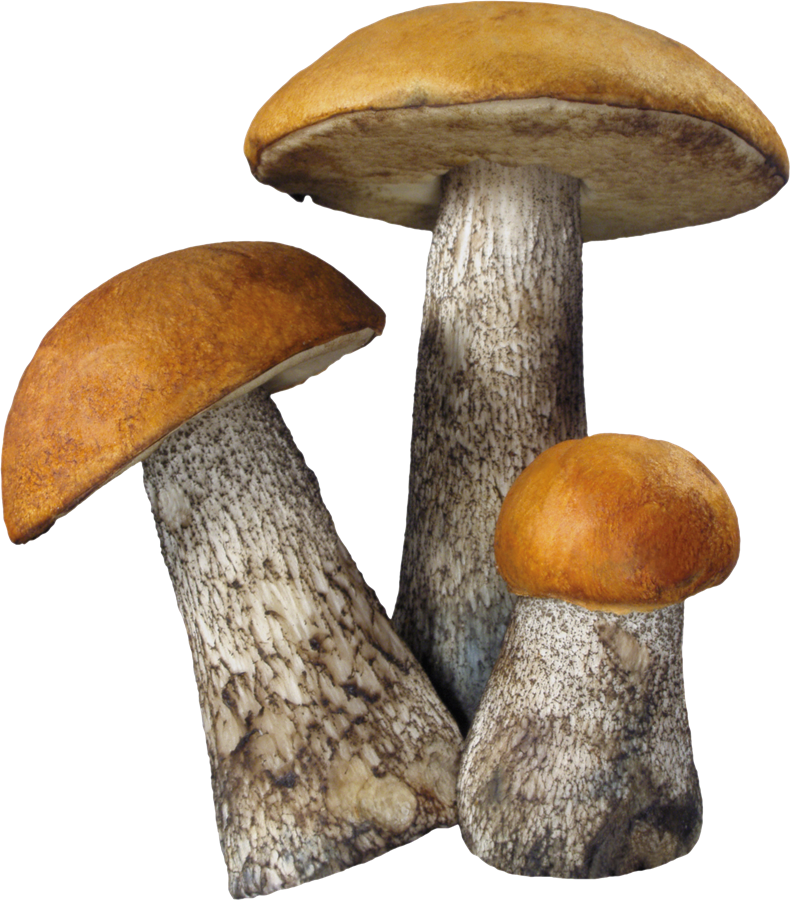
Psilocybin mushrooms naturally grow in parts of Europe, particularly:
- The United Kingdom
- Ireland
- The Netherlands
- Germany
- Scandinavia
One well-known species is:
- Psilocybe semilanceata
While widespread traditional ritual use is less documented compared to Mesoamerica, there is evidence that knowledge of psychoactive mushrooms existed in rural European communities.
Modern recreational awareness increased significantly after the 20th century.
🧪 The Modern Scientific Era
Europe played a central role in modern psychedelic research.
In 1938, Swiss chemist Albert Hofmann synthesized LSD at Sandoz Laboratories.
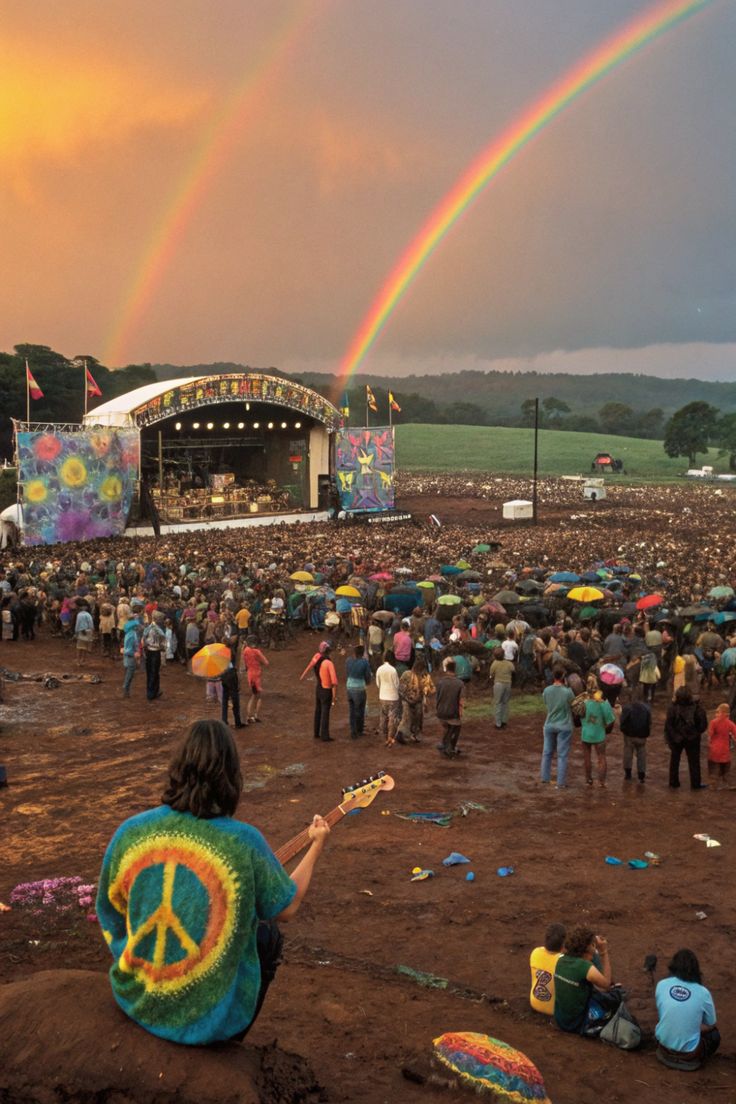
This discovery reshaped global psychedelic research and influenced psychiatry, neuroscience, and counterculture movements across Europe.
During the 1950s and 60s, LSD and psilocybin were studied for:
- Depression
- Alcohol dependence
- End-of-life anxiety
Research paused during prohibition but has resumed in recent decades.
🌍 Europe Today: From Prohibition to Research Revival
Today, Europe is experiencing a renewed scientific interest in psychedelics:
- Clinical trials in Switzerland, Germany, and the UK
- Research conferences across the Netherlands
- Growing public discussion around medical legalization
While recreational use remains largely illegal across Europe, therapeutic research is expanding. History of Psychedelic Plant Use in Europe
This marks a new chapter in Europe’s long and complicated relationship with psychoactive plants.
⚠️ Harm Reduction Perspective
Historical use does not equal safety.
Many traditional European psychoactive plants (like belladonna or henbane) are highly toxic and dangerous. Even psilocybin mushrooms can produce intense psychological effects.
Important considerations:
✔ Set and setting influence outcomes
✔ Mental health history matters
✔ Potency varies by species
✔ Toxic look-alike mushrooms exist
✔ Legal consequences vary by country
Education reduces harm more effectively than myth or taboo.
❓ FAQ: Psychedelic Plants in European History
Did ancient Europeans use psychedelics?
There is evidence of ritual and medicinal use of psychoactive plants, though details vary and some claims remain debated among scholars.
Were the Eleusinian Mysteries psychedelic?
Some researchers believe the ritual drink may have contained psychoactive compounds, but definitive proof does not exist.
Are psychedelic mushrooms native to Europe?
Yes. Species like Psilocybe semilanceata grow naturally in several European regions.
Were “witches” using hallucinogenic plants?
Some historical accounts suggest the use of psychoactive plants, but much of the narrative was shaped by fear and persecution.
Is traditional use proof of safety?
No. Many historical psychoactive plants were toxic and carried serious risks.
📌 Final Thoughts
Europe’s relationship with psychedelic plants stretches back thousands of years — from ancient rituals to medieval folklore to modern neuroscience.
Understanding this history provides context for today’s debates about legalization, therapy, and harm reduction. Psychedelics are not new to Europe — but our scientific understanding of them continues to evolve.
For more Europe-focused psychedelic education and safety guides, explore additional resources on getatrip.eu.