
What Happens During a Psychedelic Therapy Session?
What Happens During a Psychedelic Therapy Session? Psychedelic therapy is not a typical medical appointment.
It’s not a quick prescription.
It’s not a casual experience.
And it’s very different from recreational use.
In clinical settings across Europe, psychedelic therapy follows a structured, carefully supervised process.
So what actually happens during a session?
Let’s walk through it step by step.
First: It Starts Before the Psychedelic
One of the biggest misconceptions is that therapy begins on the dosing day.
It doesn’t.
Before any psychedelic is administered, participants go through:
- Medical screening
- Psychological evaluation
- Multiple preparation sessions
Clinical trials in Europe operate under strict regulatory oversight, often connected to frameworks coordinated through the European Medicines Agency.
Preparation sessions help participants:
- Build trust with therapists
- Set intentions
- Discuss fears and expectations
- Learn grounding techniques
This preparation phase is considered essential for safety and outcomes.
The Setting: A Controlled Clinical Environment
A psychedelic therapy session does not happen in a hospital emergency room setting.
Instead, it typically takes place in:
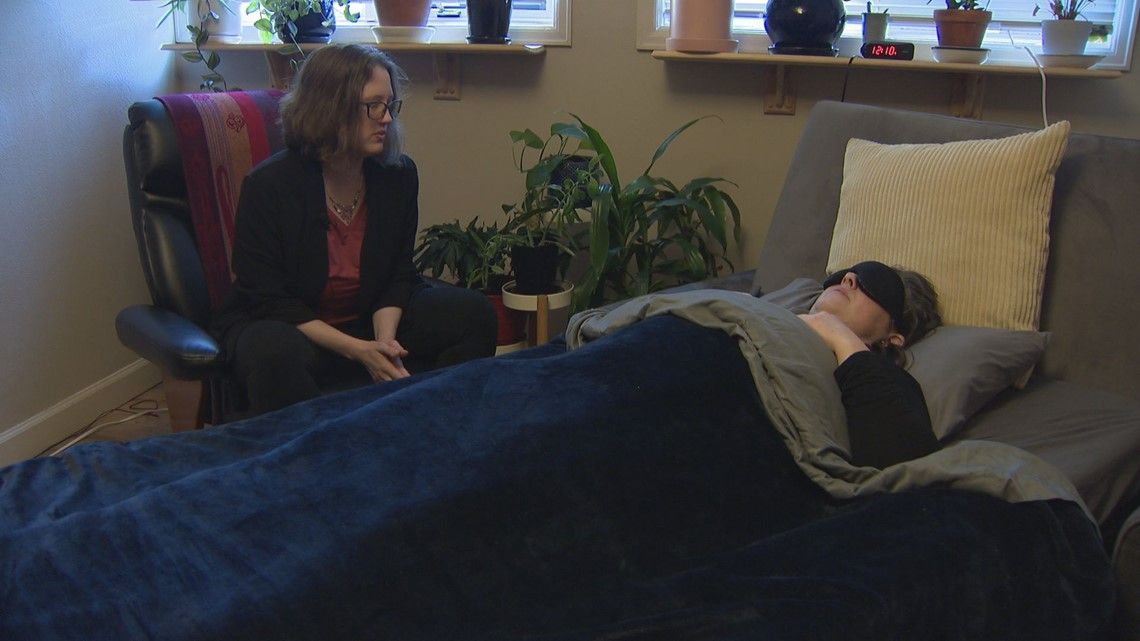
- A quiet, comfortable therapy room
- A medically supervised research clinic
- A specialized psychiatric facility
In countries like Germany, Switzerland, and United Kingdom, sessions are conducted under strict ethical and medical protocols.
The room often includes:
- Soft lighting
- A couch or recliner
- Calming décor
- Medical monitoring equipment nearby
The goal is to create a safe and stable environment.
The Dosing Day: What Actually Happens
On the day of the session:
- The participant arrives and checks in.
- Vital signs are recorded.
- Therapists review expectations and emotional state.
- The psychedelic compound (such as psilocybin in research trials) is administered orally.
After ingestion, effects usually begin within 30–60 minutes.
Sessions typically last 6 to 8 hours.
During this time:
- Two trained facilitators are often present
- The participant may wear eyeshades
- A curated music playlist may be used
- Therapists intervene only when needed
The focus is inward.
Participants are encouraged to observe thoughts, emotions, and memories as they arise — without resisting them. What Happens During a Psychedelic Therapy Session?
Emotional Intensity Is Common
Psychedelic therapy sessions can involve:
- Deep introspection
- Emotional release
- Revisiting difficult memories
- Feelings of connection or insight
Challenging moments are not considered failures.
In therapeutic models, working through difficult emotions is often part of the process.
Medical teams monitor:
- Heart rate
- Blood pressure
- Psychological stability
Safety remains the priority.
After the Session: Integration
The experience does not end when the effects wear off.
Integration sessions follow in the days or weeks afterward.
Integration therapy helps participants:
- Process what they experienced
- Translate insights into daily life
- Address unresolved emotional material
- Develop practical changes
Many researchers argue that integration is as important as the psychedelic session itself.
How Many Sessions Are There?
Unlike traditional antidepressants taken daily, psychedelic therapy usually involves:
- Several preparation sessions
- One or two dosing sessions
- Multiple integration sessions
The full program may last weeks or months.
Is It the Same as a Psychedelic Retreat?
No.
Clinical psychedelic therapy differs from retreats in several key ways:
- Formal psychiatric screening
- Strict eligibility criteria
- Regulated dosing protocols
- Ethics committee approval
- Long-term follow-up
Clinical sessions are part of medical research or approved therapeutic frameworks — not wellness tourism.
Are There Risks?
Even in supervised environments, psychedelic sessions can involve:
- Anxiety
- Temporary confusion
- Emotional distress
- Physical discomfort (e.g., nausea)
That’s why screening excludes individuals at higher risk of psychosis or severe bipolar disorder.
Long-term risks are still being studied, which is why access remains controlled.
Why Structure Matters
Psychedelics amplify psychological processes.
Without structure, the experience can be destabilizing.
With preparation, supervision, and integration, the goal is therapeutic insight rather than unpredictability.
That structured model is what regulators evaluate when considering potential medical approval.
FAQ
How long does a psychedelic therapy session last?
Typically 6–8 hours, followed by integration sessions afterward.
Are therapists present the whole time?
Yes. Sessions are supervised by trained professionals.
Can participants leave during the session?
In clinical settings, participants remain onsite until effects subside.
Is it like recreational use?
No. The environment, intention, screening, and follow-up are completely different.
Final Thoughts
A psychedelic therapy session is not about escapism.
It’s about structured psychological exploration in a safe, regulated environment.
Preparation builds safety.
Supervision protects participants.
Integration turns insight into change.
As Europe continues researching psilocybin and other psychedelic compounds, understanding what actually happens inside these sessions helps separate myth from reality.