Are Psychedelics Legal in Europe? A Country-by-Country Guide
Interest in psychedelics is growing fast across Europe. From clinical research on psilocybin therapy to the rise of legal retreat centers, more people are asking the same question:
Are psychedelics legal in Europe?
The answer isn’t simple. Laws vary widely between countries, and in many places enforcement differs from what’s written on paper. This guide gives a clear, educational overview of psychedelic legality across Europe — focused on safety, awareness, and harm reduction.
🌍 The Big Picture: Psychedelics in Europe
In most European countries, classic psychedelics are illegal, including:
- LSD
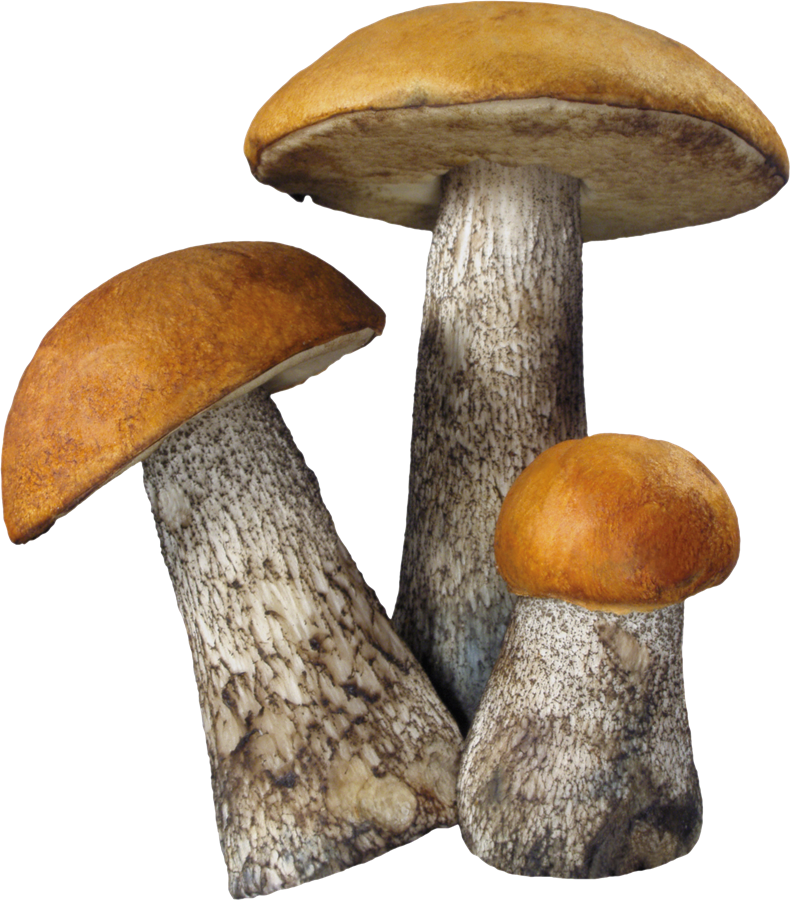
- Psilocybin mushrooms
- DMT
- Mescaline
However, some countries have legal loopholes, decriminalization policies, or tolerated practices that create gray areas — especially around psilocybin truffles, retreats, and ceremonial use.
🇳🇱 Netherlands
Status: Partially legal
- Magic mushrooms → Illegal
- Magic truffles (sclerotia) → Legal and sold in licensed smartshops
- LSD, DMT, mescaline → Illegal
The Netherlands is one of the few places in Europe where you can legally buy psilocybin truffles. This has made it a major hub for psychedelic retreats and guided experiences.
🧠 Harm reduction note: Legal does not mean risk-free. Potency can vary and psychological effects can be intense.
🇵🇹 Portugal
Status: Decriminalized (but not legal)
Portugal decriminalized possession of small amounts of all drugs in 2001.
- Psychedelics remain illegal to sell or produce
- Possession for personal use is typically handled as an administrative issue, not a criminal one
This means you won’t usually face jail for small amounts, but substances can still be confiscated and fines or health referrals may occur.
🇪🇸 Spain
Status: Illegal, but private use is often tolerated
- Selling psychedelics → Illegal
- Public possession/use → Illegal
- Private use in private spaces → Sometimes tolerated
Spain is known for hosting psychedelic retreats, especially involving psilocybin or ayahuasca. These operate in a legal gray area, often framed as private or spiritual gatherings.
⚠️ Laws are unclear and enforcement varies by region.
🇩🇪 Germany
Status: Illegal
All classic psychedelics are controlled substances.
- Possession, sale, and production are illegal
- Small amounts may sometimes result in reduced penalties, but this depends on local prosecutors
Germany is active in psychedelic research, but outside medical studies, substances remain prohibited.
🇫🇷 France
Status: Strictly illegal
France has some of the strictest drug laws in Western Europe.
- Possession can lead to fines or criminal charges
- Sale and trafficking carry severe penalties
There are no legal psychedelic loopholes here.
🇬🇧 United Kingdom
Status: Illegal (Class A drugs)
LSD and psilocybin are classified as Class A, the most serious category.
- Possession can lead to prison sentences
- Sale and production carry heavy penalties
Even fresh mushrooms containing psilocybin are illegal.
🇨🇭 Switzerland
Status: Illegal, with research exceptions
Psychedelics are banned for general use, but Switzerland is a leader in legal psychedelic-assisted therapy research.
- Limited therapeutic use is allowed under special medical authorization
- Recreational possession remains illegal
🇮🇹 Italy
Status: Illegal
All classic psychedelics are illegal. However, penalties for possession of small amounts may be administrative rather than criminal, depending on the situation.
🇨🇿 Czech Republic
Status: Decriminalized in small amounts
The Czech Republic has defined threshold limits for personal possession. Small quantities may result in fines instead of criminal charges.
Sale and distribution remain criminal offenses.
🌿 What About Ayahuasca in Europe?
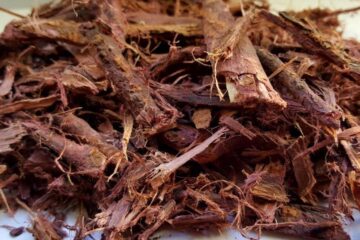
Ayahuasca retreats exist in countries like Spain and Portugal, but legality is unclear. DMT (the active compound) is illegal across most of Europe, yet ceremonies sometimes operate under religious or private-event interpretations of the law.
Legal protection is not guaranteed, and participants take legal risks.
🧠 Harm Reduction & Legal Awareness
Understanding the law is part of staying safe.
Key reminders:
✔ “Decriminalized” does not mean legal
✔ Retreat legality is often unclear
✔ Crossing borders with substances is extremely risky
✔ Potency and mental health risks exist regardless of legal status
✔ Emergency services in Europe prioritize health over punishment in crisis situations
If someone is experiencing a psychological crisis, contacting local medical services is safer than avoiding help out of fear.
❓ FAQ: Psychedelic Laws in Europe
Are psychedelics legal anywhere in Europe?
Only psilocybin truffles in the Netherlands are legally sold. Everything else is generally illegal or decriminalized at most.
Is Portugal legal for psychedelics?
No. Portugal has decriminalized possession of small amounts, but sale and production remain illegal.
Are psychedelic retreats legal in Europe?
They often operate in legal gray areas, especially in Spain and the Netherlands. Legal status can change and is rarely fully protected.
Can you go to jail for mushrooms in Europe?
Yes, in many countries possession can still lead to criminal charges depending on amount and circumstances.
Is it safer legally to use psychedelics at home?
Private use may be less likely to attract attention in some countries, but it can still be illegal. Legal risk always exists.
📌 Final Thoughts
Europe has a complex and evolving relationship with psychedelics. While research and cultural attitudes are shifting, laws mostly remain restrictive. Knowing the legal landscape helps people make informed, safer decisions and avoid serious consequences.
For more Europe-focused harm reduction and psychedelic education, explore other guides on getatrip.eu.