Do Psychedelics Really Treat Depression & PTSD? Evidence, Benefits, and Safety
Do Psychedelics Really Treat Depression & PTSD?, Psychedelics are increasingly being studied as potential treatments for mental health conditions like depression and PTSD. But what does the science really say? This guide explains the current evidence, potential benefits, risks, and harm-reduction considerations — all in a safe and educational way.
🌿 What Are Psychedelics?
Psychedelics are substances that alter perception, mood, and cognition. Common types include:
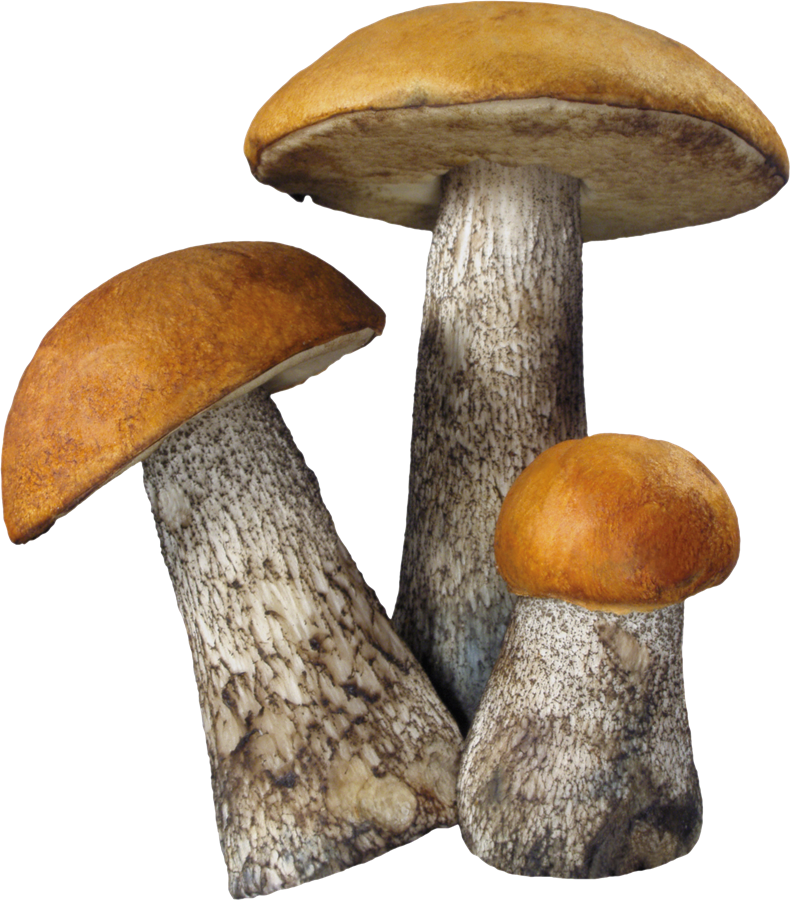
- Psilocybin (magic mushrooms)
- LSD (acid)
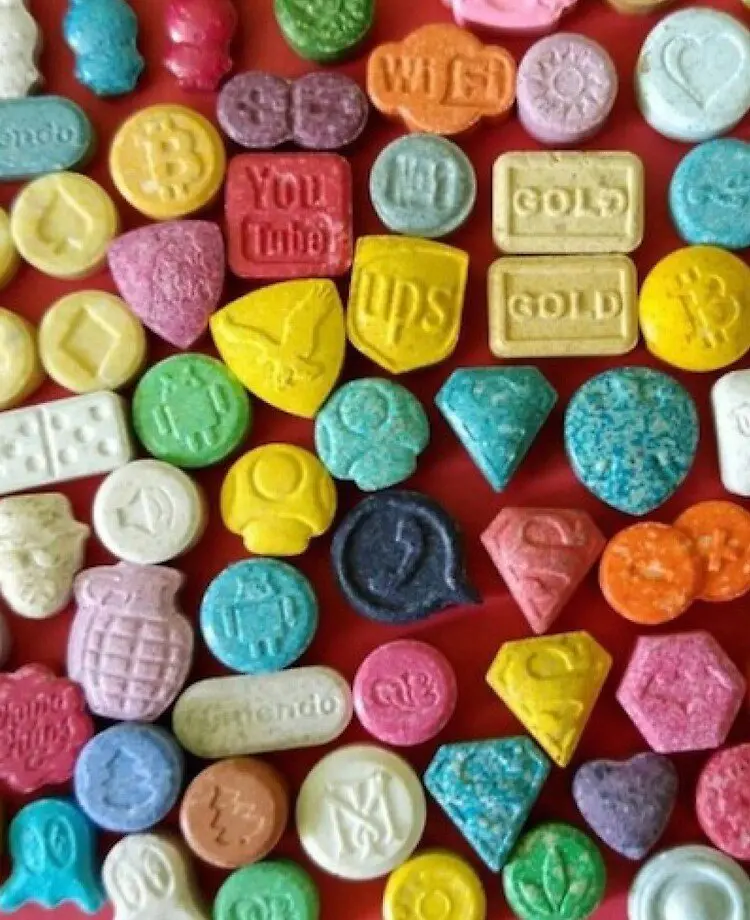
- MDMA (ecstasy, used in therapy)
- Ayahuasca (plant-based DMT brew)
Research is focusing on their ability to support mental health treatment, often in controlled clinical environments.
🧠 Psychedelics for Depression
How They Work
Studies suggest psychedelics may help depression by:
- Resetting neural pathways — increasing brain plasticity and connectivity
- Reducing rumination — interrupting negative thought loops
- Enhancing emotional processing — allowing patients to face and process trauma
Evidence
- Psilocybin-assisted therapy shows significant improvement in treatment-resistant depression in multiple small trials.
- Effects often appear rapidly (within hours or days) compared to traditional antidepressants.
- Benefits may last weeks to months after a guided session.
🌍 Psychedelics for PTSD
MDMA and certain psychedelics are being tested for post-traumatic stress disorder (PTSD).
How They Help
- Reduce fear responses during therapy
- Increase trust and emotional openness
- Facilitate processing of traumatic memories
Evidence
- Clinical trials of MDMA-assisted therapy report large reductions in PTSD symptoms for many participants.
- Treatment is strictly guided by trained therapists in a controlled setting.
⚖️ Risks and Considerations
While research is promising, psychedelics are not risk-free:
- Can worsen symptoms in people with psychosis, bipolar disorder, or severe anxiety
- May trigger temporary confusion, intense emotions, or panic
- Effects are unpredictable outside supervised therapy
- Illegal possession or use carries legal consequences in most countries
Key takeaway: Psychedelics are tools for therapy — not recreational shortcuts to mental health.
✅ Harm-Reduction Tips
- Only participate in clinical trials or licensed therapy programs where legal
- Avoid unsupervised use if you have mental health vulnerabilities
- Ensure set (mindset) and setting (environment) are safe
- Avoid combining with alcohol or other substances
- Seek professional support if experiencing distress
🌍 Legal & Clinical Status in Europe
- Psilocybin: Medical trials ongoing; Czech Republic will allow medical psilocybin in 2026
- MDMA-assisted therapy: Limited compassionate use in some countries (Germany, Switzerland)
- Most psychedelics remain controlled substances; recreational use is illegal
This legal landscape emphasizes safety and supervision over casual use.
🔬 What the Science Shows
| Condition | Psychedelic | Evidence Strength | Key Finding |
|---|---|---|---|
| Depression | Psilocybin | Medium | Rapid, often lasting relief in treatment-resistant cases |
| PTSD | MDMA | Medium-High | Significant symptom reduction in guided therapy |
| Anxiety (terminal illness) | Psilocybin, LSD | Medium | Improved mood, reduced existential distress |
Note: Research is still emerging; long-term effects and optimal protocols are being studied.
❓ FAQ
Q: Can psychedelics replace antidepressants?
A: Not currently. Psychedelics may complement therapy, but they are not a guaranteed or universal replacement.
Q: Are they safe for everyone?
A: No. People with psychosis, bipolar disorder, or severe anxiety are at higher risk of adverse reactions.
Q: How are treatments administered?
A: In most studies, psychedelics are used in guided therapy sessions with trained professionals.
Q: Is this legal in Europe?
A: Legal use is restricted to medical research or licensed therapy. Recreational use remains illegal.
🔮 Bottom Line
Psychedelics show real potential in treating depression and PTSD, but only under controlled, supervised conditions.
Europe’s evolving policies — including medical psilocybin reforms in 2026 — suggest greater clinical access in the future, but outside of these programs, unsupervised use remains risky and illegal.
Proper guidance, legal compliance, and safety-first principles are essential for anyone exploring these therapies.