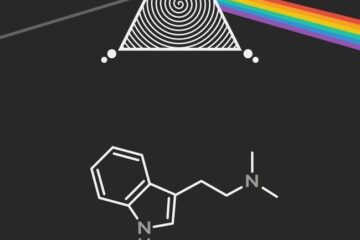

Ego Death — Enlightenment or Brain Glitch? Understanding the Psychedelic Experience
Many psychedelic users report profound experiences of “ego death” — a feeling of losing the sense of self, merging with the universe, or transcending personal identity. But is ego death a path to enlightenment, or just a temporary brain glitch? This guide explores the science, psychology, risks, and harm-reduction principles behind this intense phenomenon.
🌿 What Is Ego Death?
Ego death refers to the temporary dissolution of the “self”, where the boundaries between “you” and the world seem to disappear.
Common experiences include:
- Loss of personal identity
- Feeling of unity with the universe
- Altered perception of time and space
- Intense emotions, sometimes blissful, sometimes terrifying
Ego death is often reported with high doses of LSD, psilocybin, DMT, or ayahuasca.
🧠 How Ego Death Affects the Brain
1. Default Mode Network (DMN) Suppression
The DMN regulates self-focused thought and identity. During ego death:
- DMN activity decreases significantly
- Sense of individual “self” temporarily dissolves
- Users report profound shifts in perspective
2. Increased Brain Connectivity
Psychedelics increase communication between normally separate brain regions:
- Promotes new insights and creative thinking
- Can help reframe rigid thought patterns
- May explain therapeutic effects in depression and PTSD
3. Serotonin Receptor Activation
Activation of 5-HT2A receptors plays a key role in:
- Emotional processing
- Altered perception
- Self-reflection and introspection
⚖️ Ego Death: Enlightenment or Brain Glitch?
Enlightenment Perspective
Some consider ego death a spiritual or psychological breakthrough:
- Insight into life, consciousness, and interconnectedness
- Enhanced empathy and emotional clarity
- Lasting changes in mindset after guided psychedelic therapy
Brain Glitch Perspective
Others argue ego death is a temporary neurological phenomenon:
- Result of disrupted neural networks and altered connectivity
- No inherent spiritual meaning, just intense sensory and cognitive effects
- Can feel overwhelming or frightening without proper guidance
⚠️ Potential Risks
While often transformative, ego death can be challenging:
- Anxiety, panic, or paranoia during intense sessions
- Temporary confusion or disorientation
- Vulnerable individuals (psychosis, bipolar disorder, severe anxiety) may face heightened risks
- Physical risks if proper set and setting are not maintained
✅ Harm-Reduction Tips
- Start with lower doses before attempting deep psychedelic experiences
- Safe, calm environment — remove stressors and hazards
- Trip sitter or guide — trusted support reduces panic
- Mindfulness and grounding techniques — deep breathing, focusing on familiar objects
- Integration — reflecting on the experience afterward helps process insights safely
🌍 Legal and Research Context
- Psychedelics that can induce ego death remain controlled substances in most European countries
- Research studies on psilocybin, LSD, and DMT include structured guidance and therapy
- Legal access is limited to clinical trials or licensed therapy programs
❓ FAQ
Q: Is ego death dangerous?
A: Physically, it’s usually safe in controlled settings. Psychologically, it can be intense, especially for vulnerable individuals.
Q: Can ego death lead to lasting personal growth?
A: Many report long-term positive effects after guided experiences, including greater empathy and perspective shifts.
Q: Is ego death spiritual or just neurological?
A: Both interpretations exist. Neuroscience explains the brain mechanisms, while many users interpret it as a spiritual or transformative experience.
Q: How can I safely explore ego death?
A: Only in licensed clinical trials or supervised therapy, with preparation and integration support.
🔮 Bottom Line
Ego death is a powerful and complex psychedelic experience. It can lead to profound insights or feelings of interconnectedness, but also temporary psychological distress.
Safe, legal, and guided use — along with harm-reduction strategies — is essential to maximize potential benefits and minimize risks.