🍄 Magic Mushrooms Guide Europe – Effects, Safety & Legal Information
Introduction
Magic Mushrooms Guide Europe, Magic mushrooms, also known as psilocybin mushrooms, are among the most well-known natural psychedelics. At Getatrip.eu, our goal is to provide clear, educational, and harm reduction–focused information for people seeking to understand mushrooms in a European context.
This guide explains how psilocybin mushrooms work, their effects, duration, risks, harm reduction practices, and the legal situation across Europe.
What Are Magic Mushrooms?
Magic mushrooms are fungi that contain psilocybin, a naturally occurring psychedelic compound. Once ingested, psilocybin converts into psilocin, which affects serotonin receptors in the brain and alters perception, mood, and thinking patterns.
They have been used historically in spiritual and cultural settings and are now being researched for potential mental health applications.
How Psilocybin Works in the Brain
Psilocybin primarily interacts with the serotonin system, especially 5-HT2A receptors.
This can lead to:
- Altered visual and sensory perception
- Changes in emotional processing
- Increased introspection
- Enhanced connection to thoughts and surroundings
Mindset and environment play a major role in shaping the experience.
Common Forms of Magic Mushrooms
For educational awareness, mushrooms may appear as:
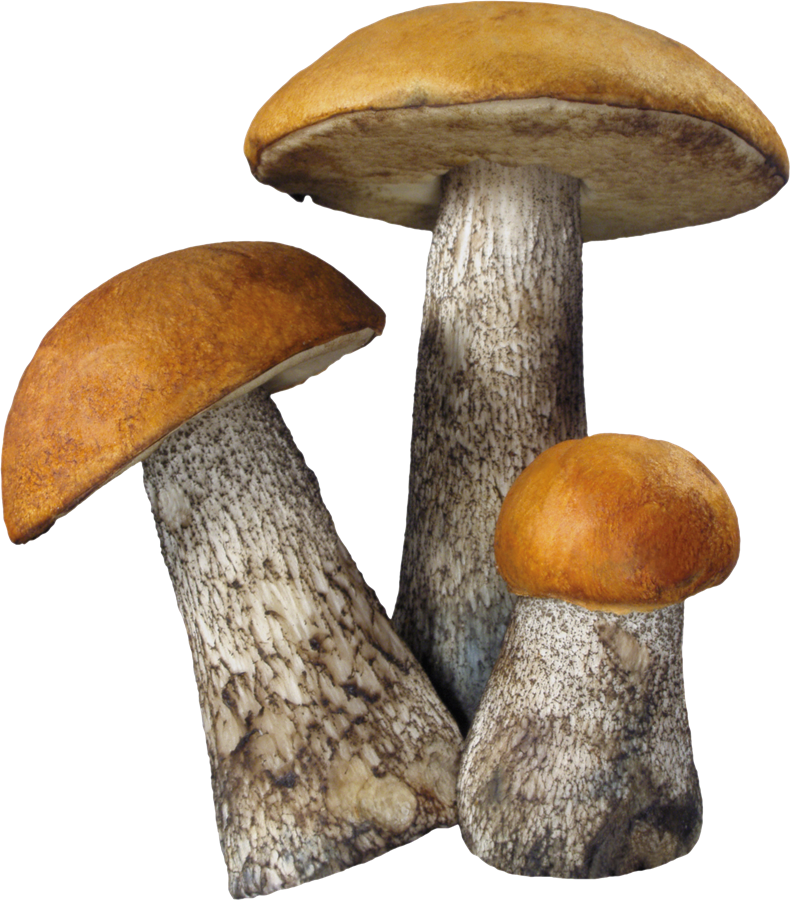
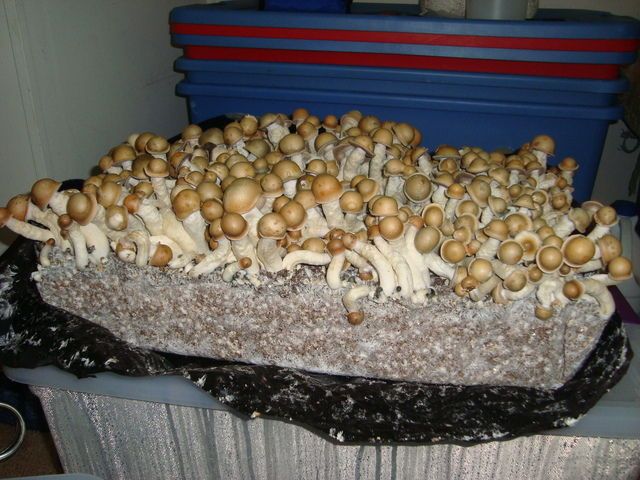
Potency varies widely depending on species and preparation, and visual appearance alone does not indicate strength.
Effects of Magic Mushrooms
Short-Term Psychological Effects
- Enhanced colors and visual patterns
- Altered sense of time
- Emotional openness or sensitivity
- Deep introspective thoughts
Possible Challenging Effects
- Anxiety or fear
- Confusion
- Nausea, especially early in the experience
- Sensory overload in busy environments
Experiences are highly influenced by emotional state and surroundings.
Duration of a Mushroom Experience
Psilocybin mushrooms have a shorter duration than LSD but still require planning.
- Onset: 20–60 minutes
- Peak: 1.5–3 hours
- Total duration: 4–6 hours
- After-effects: Mild fatigue or emotional sensitivity
Risks and Safety Considerations
Magic mushrooms alter perception and judgment, which may increase risk in unsafe situations.
Avoid use if someone has a history of:
- Psychosis
- Schizophrenia
- Bipolar disorder
- Severe anxiety disorders
Additional safety points:
- Avoid mixing with alcohol or other substances
- Choose calm, familiar environments
- Avoid crowded or overstimulating places
- Consider a sober sitter for first experiences
Mental Health and Mushrooms
Psilocybin is not considered physically addictive, but psychological intensity can be high.
For some individuals, mushrooms may:
- Increase anxiety
- Bring up difficult emotions
- Trigger latent mental health issues
Post-experience integration (journaling, reflection, therapy, or supportive conversation) can help process insights.
Harm Reduction Principles
Harm reduction focuses on preparation and awareness.
- Start cautiously with unfamiliar substances
- Avoid unknown or misidentified mushrooms
- Pay attention to set and setting
- Do not mix substances
- Stay hydrated
- Have a trusted, sober person nearby for early experiences
👉 Read our Psychedelic Harm Reduction Guide for broader safety information.
Legal Status of Magic Mushrooms in Europe
Laws vary significantly across Europe.
- Netherlands: Psilocybin truffles are legal; mushrooms are not
- Portugal: Possession of small amounts is decriminalized but not legal
- Germany, France, Italy, Spain, Belgium, Switzerland: Generally prohibited
Always check official local sources for up-to-date information.
FAQs
Q: Are magic mushrooms addictive?
A: Psilocybin mushrooms are not considered physically addictive, but experiences can be psychologically intense.
Q: How long do mushrooms last compared to LSD?
A: Mushrooms typically last 4–6 hours, while LSD can last 8–12 hours.
Q: Can mushrooms be mixed with alcohol?
A: Mixing substances increases unpredictability and risk, and is not recommended from a harm reduction perspective.
Q: What helps reduce the chance of a difficult experience?
A: A calm environment, a positive mindset, and a trusted sober person nearby can help reduce risk.
⚠️ Educational Disclaimer
This content is provided for educational and harm reduction purposes only. Getatrip.eu does not promote illegal activity. Always follow the laws in your country and seek medical help in emergencies.