Microdosing — Science or Placebo? Understanding the Evidence
Microdosing Psychedelics — Science or Placebo?, Microdosing psychedelics, particularly LSD or psilocybin, has gained global attention. People report subtle benefits like improved focus, mood, and creativity. But is it real science or just a placebo effect? This guide explores the current research, anecdotal experiences, risks, and safety tips, keeping everything legal, educational, and Google-friendly.
🌿 What Is Microdosing?
Microdosing involves taking very small, sub-perceptual amounts of a psychedelic:
- LSD: Typically 5–20 micrograms
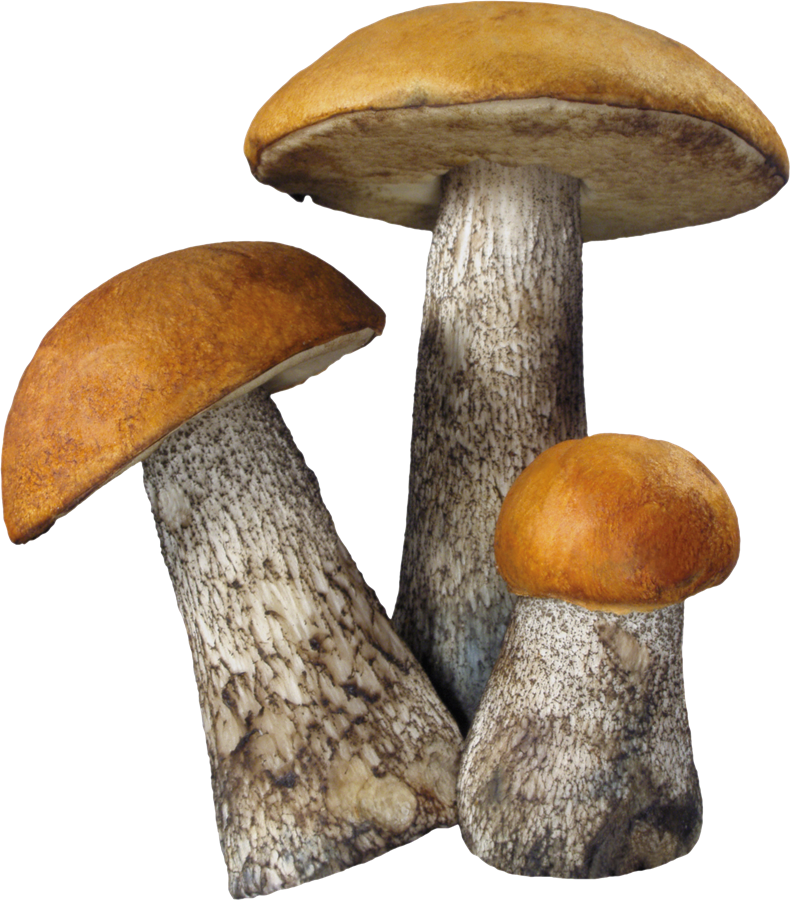
- Psilocybin mushrooms: About 0.1–0.3 grams dried
The goal is subtle changes in cognition and mood, not full psychedelic effects. Reported outcomes include:
- Enhanced focus and productivity
- Mild improvements in mood
- Increased creativity
- Emotional clarity
Unlike full doses, microdosing does not cause hallucinations or intense sensory changes.
🧠 What Does the Research Say?
Evidence on microdosing is limited but growing:
- Anecdotal reports: Users often report increased productivity and emotional balance.
- Small clinical studies: Show modest improvements in mood and cognition, though results are inconsistent.
- Placebo effect: Research indicates that many reported benefits may stem from expectations rather than pharmacological action.
- Brain connectivity: Early neuroimaging studies suggest subtle changes in neural pathways, but findings are preliminary.
Takeaway: Microdosing may produce mild effects, but the placebo effect likely plays a significant role.
⚖️ Potential Risks
Even at microdoses, psychedelics carry risks:
- Anxiety, irritability, or overstimulation
- Sleep disruption or fatigue
- Mild cardiovascular changes
- Potentially unsafe for individuals with psychosis, bipolar disorder, or severe anxiety
Legal risks: LSD and psilocybin remain controlled substances in most countries. Microdosing is not a legal exemption.
✅ Harm Reduction Tips
- Start low: Use the minimum effective dose.
- Track your experience: Journaling helps evaluate effects and side effects.
- Mindset & setting: A calm, safe environment reduces stress even at low doses.
- Avoid combining substances: Alcohol or stimulants may increase risk.
- Participate legally: Only through licensed research or clinical trials.
🌍 Microdosing vs Placebo
| Factor | Microdose | Placebo |
|---|---|---|
| Observable effects | Subtle mood and focus improvements | Expectation-driven benefits |
| Scientific evidence | Preliminary, mixed | No pharmacological action, but can trigger perceived effect |
| Risk | Low but present | Minimal, dependent on mindset |
| Long-term benefits | Unknown | None pharmacologically |
Many studies highlight how strong placebo effects can be, emphasizing the importance of controlled research.
🔬 Why the Debate Continues
- Positive anecdotes fuel social media and popular culture hype.
- Research is limited, small-scale, and often relies on self-reporting.
- Placebo effects may account for many perceived benefits, making scientific validation challenging.
❓ FAQ
Q: Does microdosing really work?
A: Evidence is mixed. Some people report benefits, but the placebo effect is likely significant.
Q: Is it safe to microdose regularly?
A: There are risks, especially for people with mental health vulnerabilities. Long-term safety is not well-studied.
Q: Are there legal ways to microdose?
A: Only through licensed clinical trials or research programs. Recreational use is illegal in Europe.
Q: Can microdosing replace therapy or antidepressants?
A: No. It may complement therapy in research settings, but it is not a substitute for professional mental health care.
🔮 Bottom Line
Microdosing is part science, part placebo. While preliminary research shows mild cognitive or mood benefits, expectations play a large role.
Anyone exploring microdosing should prioritize safety, legal compliance, and harm-reduction principles, and view it as experimental rather than a proven mental health intervention.