Natural Plant Medicines vs Lab-Made Psychedelics: What’s the Difference?
Natural Plant Medicines vs Lab-Made Psychedelics, Psychedelics can be derived from natural plants or synthetic laboratory compounds, each with unique effects, benefits, and risks. This guide explains the differences, similarities, and considerations for safe, informed use.
🌿 Natural Plant Medicines
Natural psychedelics come from plants and fungi used for centuries in spiritual, cultural, and healing practices. Common examples include:
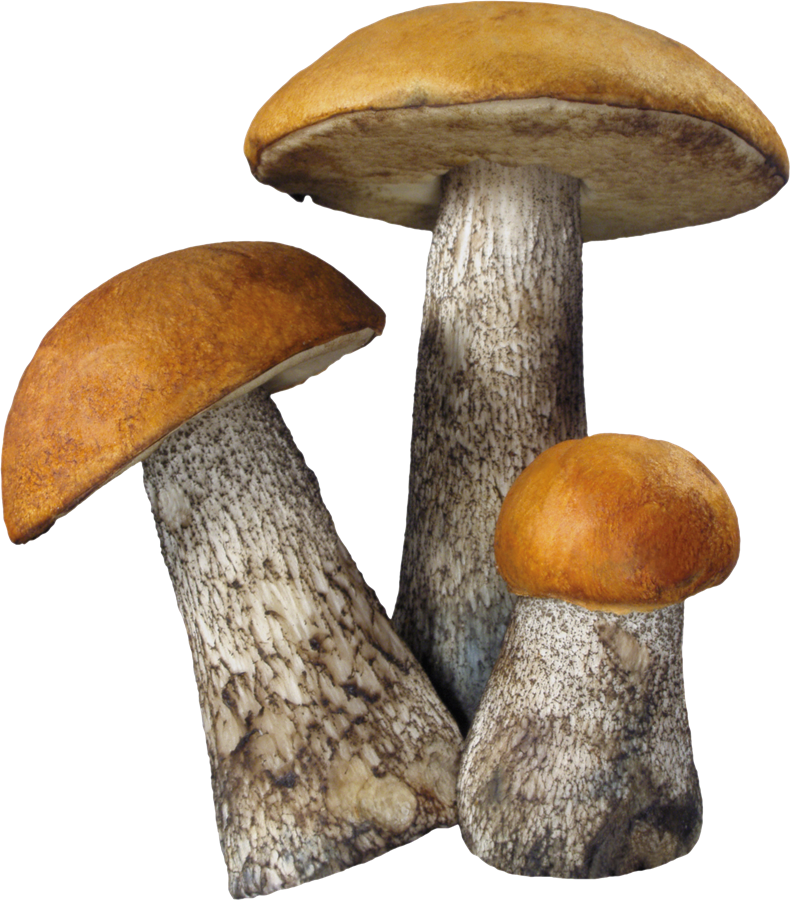
- Psilocybin mushrooms – often called magic mushrooms
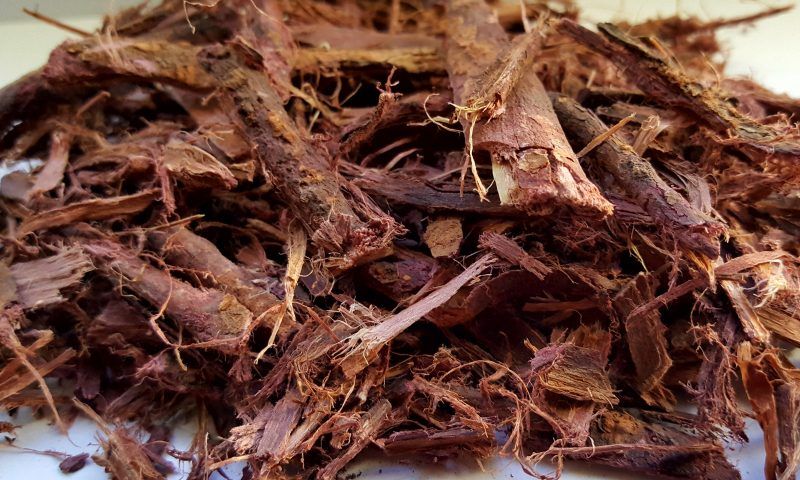
- Ayahuasca – a South American brew containing DMT
- Peyote & San Pedro cactus – containing mescaline
- Salvia divinorum – traditionally used in indigenous rituals
Key Features
- Complex chemical composition: Often contain multiple active compounds
- Traditional use: Long history in ceremonial and spiritual practices
- Variable potency: Effects can vary depending on growth conditions, species, and preparation
Reported Benefits
- Emotional and spiritual insight
- Therapeutic potential for depression, PTSD, and anxiety
- Enhanced creativity and self-reflection
🧪 Lab-Made Psychedelics
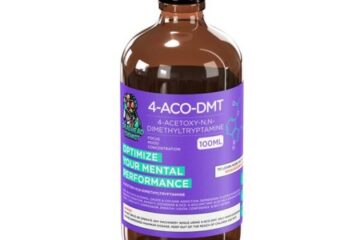
Lab-made psychedelics are synthetic compounds designed to mimic or enhance natural psychedelic effects. Common examples include:
Key Features
- Precise dosage and purity: Lab synthesis ensures consistent potency
- Rapid onset and intensity: Effects can be stronger and more predictable
- Research applications: Often used in clinical studies for mental health treatment
Reported Benefits
- Controlled therapeutic outcomes in research and therapy
- Predictable dosing for safer administration
- High potential for scientific study of brain function and neuroplasticity
⚖️ Comparing Natural vs Lab-Made
| Feature | Natural Plant Medicines | Lab-Made Psychedelics |
|---|---|---|
| Source | Plants & fungi | Synthetic in laboratory |
| Chemical Complexity | Often multiple active compounds | Usually single compound |
| Dosage Consistency | Variable | Highly controlled |
| Traditional Use | Centuries of spiritual and healing use | Modern scientific and therapeutic use |
| Legal Status | Mostly illegal; some exceptions for ceremonial use | Mostly illegal; some exceptions for research or therapy |
| Research & Clinical Use | Increasingly studied | Extensively studied in controlled settings |
⚠️ Safety Considerations
- Natural psychedelics: Potency can vary; risk of misidentification (e.g., toxic mushrooms)
- Lab-made psychedelics: Require careful dosing; impurities in unregulated sources can be dangerous
- Both types: Can trigger intense psychological experiences; risk higher in people with psychosis, bipolar disorder, or severe anxiety
- Legal risks remain significant in most European countries
✅ Harm-Reduction Tips
- Know your source: Identify plant species correctly or ensure lab substances are pure
- Start with lower doses: Especially if experimenting for the first time
- Mindset & setting: Safe, calm, and supportive environments are essential
- Trip sitter or guide: Recommended for first-time or high-dose experiences
- Integration: Reflecting on the experience afterward helps process insights safely
🌍 Legal and Research Context in Europe
- Natural plant psychedelics: Psilocybin mushrooms and cacti are mostly illegal, with exceptions in religious or research contexts
- Lab-made psychedelics: LSD, MDMA, and other synthetics remain controlled substances; some research programs allow clinical use
- Research trends: Both natural and synthetic psychedelics are being studied for mental health, neuroplasticity, and therapeutic applications
❓ FAQ
Q: Are natural psychedelics safer than lab-made?
A: Not necessarily. Safety depends on dose, purity, environment, and personal vulnerability. Natural compounds can vary in potency.
Q: Can lab-made psychedelics offer better therapeutic outcomes?
A: Often yes, due to precise dosing, purity, and controlled administration in clinical settings.
Q: Do natural and synthetic psychedelics produce similar experiences?
A: They can, but natural compounds may provide more “holistic” effects due to multiple active chemicals, while synthetic ones are more predictable and targeted.
Q: Which is legal in Europe?
A: Both are largely illegal outside research or medical contexts, with a few exceptions for ceremonial or clinical use.
🔮 Bottom Line
Both natural plant medicines and lab-made psychedelics have unique properties, benefits, and risks. Natural psychedelics bring traditional, multi-compound experiences, while lab-made compounds offer precision, predictability, and research potential.
Safe use requires education, harm reduction, and awareness of legal status, and guided therapeutic settings maximize benefits while minimizing risks.