Description
Buy Mimosa Hostilis Root Bark in Europe
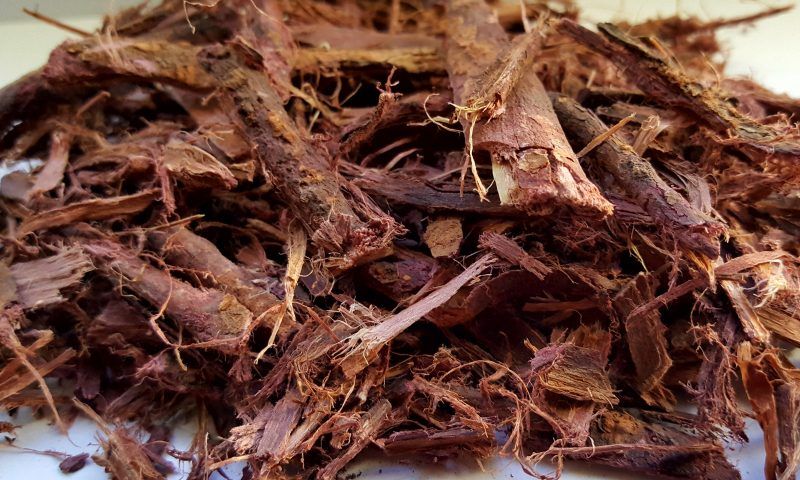
Buy Mimosa Hostilis Root Bark in Europe, also known as Mimosa tenuiflora, is a perennial tree native to parts of South America, especially Brazil and Mexico. The inner root bark of this plant has been used for centuries in traditional practices, natural dyeing, cosmetic formulations, and ethnobotanical research.
Today, Mimosa Hostilis Root Bark is widely discussed in academic, cultural, and botanical contexts across Europe and Australia, where interest in traditional plant knowledge and natural materials continues to grow.
At getatrip.eu, this information is provided strictly for educational, ethnobotanical, and research purposes.
Botanical Information
-
Botanical name: Mimosa tenuiflora
-
Common names: Mimosa Hostilis, Jurema, Tepezcohuite
-
Plant family: Fabaceae
-
Origin: Brazil, Mexico, parts of Central & South America
-
Plant type: Perennial tree or shrub
The root bark is the most studied part of the plant due to its historical relevance and unique chemical profile, which has made it significant in academic literature and traditional knowledge systems.
Traditional & Cultural Uses (Historical Context)
Historically, Mimosa Hostilis Root Bark has been used in:
-
Ethnobotanical traditions
-
Natural textile dyeing
-
Skin-care and cosmetic research
-
Cultural rituals (region-specific, historical context only)
Indigenous communities valued the plant for its symbolic, cultural, and practical roles, long before modern scientific interest emerged.
Modern Interest & Research
In modern times, Mimosa Hostilis Root Bark is commonly referenced in:
-
Botanical research
-
Ethnopharmacology studies
-
Cultural anthropology
-
Natural dye and craft communities
-
Academic discussions on traditional plant use
Across Europe, searches related to Mimosa Hostilis Root Bark often come from people seeking general knowledge, plant history, and legal clarity, rather than practical application. Buy Mimosa Hostilis Root Bark in Europe
Legal & Ethical Considerations
The legal status of Mimosa Hostilis Root Bark varies by country.
-
In some regions, the plant material itself may be legal to possess.
-
Certain uses or chemical processing may be restricted or illegal.
-
Laws differ significantly across European countries and Australia.
🔎 Always check local laws and regulations before purchasing, possessing, or researching plant materials.
getatrip.eu does not sell or promote illegal use and exists purely as an educational resource.
Harm Reduction & Responsible Learning
While Mimosa Hostilis Root Bark is often discussed online, responsible education is essential:
-
Avoid unverified sources or forums
-
Do not attempt chemical processing or experimentation
-
Respect local laws and indigenous knowledge
-
Understand that online misinformation is common
Harm reduction starts with accurate information, legal awareness, and ethical respect for traditional cultures.
Why Mimosa Hostilis Is Discussed on getatrip.eu
At getatrip.eu, we document substances and plants that appear frequently in search trends, academic literature, and cultural discussions across Europe and Australia. Buy Mimosa Hostilis Root Bark in Europe
Our goal is to:
-
Provide clear, neutral information
-
Reduce misinformation
-
Encourage responsible learning
-
Support harm-reduction awareness
Frequently Asked Questions (FAQ)
What is Mimosa Hostilis Root Bark?
Mimosa Hostilis Root Bark is the inner bark of the Mimosa tenuiflora tree, traditionally used in ethnobotanical and cultural practices in South America.
Is Mimosa Hostilis Root Bark legal in Europe?
Legality varies by country. In some places, the plant material may be legal, while certain uses or processing methods may be restricted. Always check local regulations.
What is Mimosa Hostilis traditionally used for?
Historically, it has been used for cultural rituals, natural dyes, and traditional skin applications. These uses are context-specific and rooted in indigenous traditions.
Is Mimosa Hostilis the same as Jurema?
Yes. “Jurema” is a traditional name used in Brazil to describe Mimosa Hostilis, especially in cultural and historical contexts.
Does getatrip.eu sell Mimosa Hostilis Root Bark?
No. getatrip.eu is an educational platform only. We do not sell, distribute, or promote illegal substances or materials.
Why is Mimosa Hostilis discussed online so often?
Interest comes from academic research, ethnobotany, cultural history, and widespread online discussion. Unfortunately, misinformation is common, which is why educational resources matter.
Is harm reduction relevant to plant research?
Yes. Harm reduction includes understanding legal risks, avoiding unsafe experimentation, and respecting traditional knowledge and cultural origins.
Final Note
Mimosa Hostilis Root Bark is a historically significant botanical material with deep cultural roots. When discussed responsibly and educationally, it offers insight into traditional plant knowledge, modern research trends, and the importance of ethical learning.
For more educational guides and harm-reduction resources, visit getatrip.eu.
Reviews
There are no reviews yet.