Psilocybin vs Ibogaine – What’s the Difference?
Psilocybin vs Ibogaine, Psilocybin (magic mushrooms) and ibogaine are both powerful psychoactive substances, but they differ significantly in purpose, intensity, and risk.
Psilocybin is widely known for its psychedelic, introspective effects, while ibogaine is a rare and intense compound often used in addiction treatment settings.
What is Psilocybin?
Overview of Psilocybin
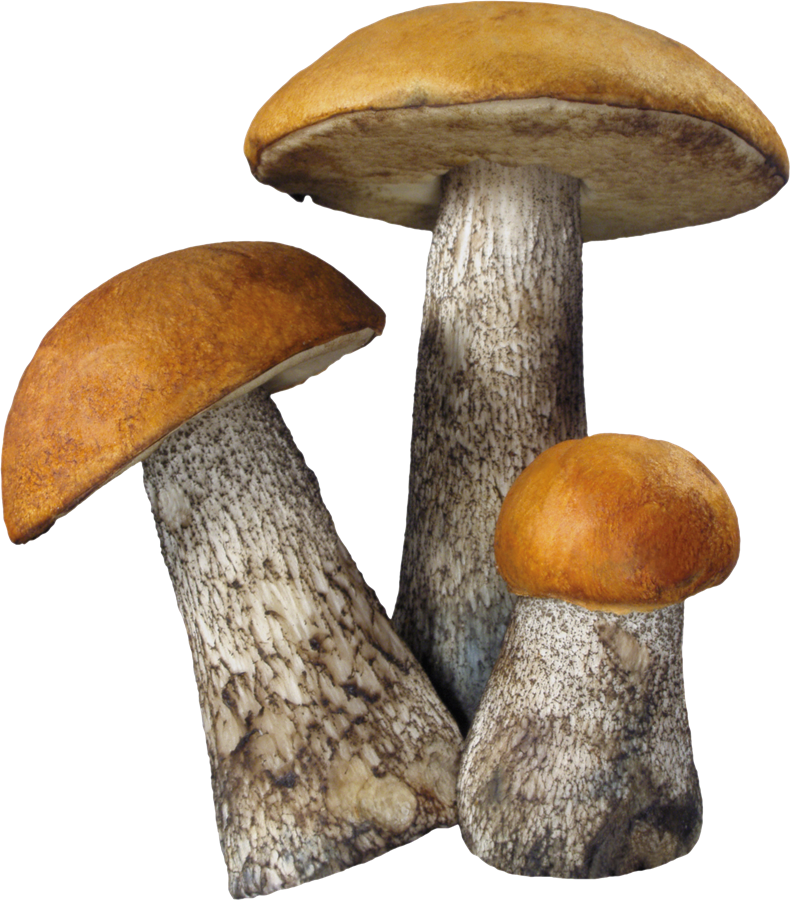
Psilocybin is a naturally occurring psychedelic found in certain mushroom species. It has been used for centuries and is now being researched for mental health and therapeutic applications.
Psilocybin Effects
- Visual hallucinations and enhanced perception
- Emotional openness and introspection
- Altered sense of time
- Spiritual or meaningful experiences
Psilocybin Duration
- Onset: 20–60 minutes
- Peak: 2–4 hours
- Total duration: 4–6 hours
What is Ibogaine?
Overview of Ibogaine
Ibogaine is a psychoactive alkaloid derived from the iboga plant, traditionally used in West African spiritual practices. It is most commonly associated with addiction interruption therapy.
Ibogaine Effects
- Intense introspective and dream-like states
- Life review experiences
- Reduced withdrawal symptoms (in some cases)
- Strong physical and mental effects
Ibogaine Duration
- Onset: 1–3 hours
- Peak: 4–8 hours
- Total duration: 24–36 hours (or longer)
Key Differences Between Psilocybin and Ibogaine
| Feature | Psilocybin | Ibogaine |
|---|---|---|
| Duration | 4–6 hours | 24–36+ hours |
| Experience | Visual + emotional | Deep introspection, “life review” |
| Intensity | Moderate to high | Extremely high |
| Physical Effects | Mild | Strong |
| Use Case | Personal growth, therapy | Addiction treatment |
Intensity: Which Is Stronger?
Psilocybin Intensity
Psilocybin can be powerful, especially at higher doses, but the experience is generally more manageable and shorter.
Ibogaine Intensity
Ibogaine is considered one of the most intense psychoactive experiences. The long duration and deep psychological effects make it physically and mentally demanding.
Therapeutic Use and Applications
Psilocybin Therapy
- Depression and anxiety
- PTSD
- Personal growth and self-reflection
Ibogaine Therapy
- Opioid addiction treatment
- Substance use disorders
- Deep psychological processing
Ibogaine is typically used in specialized clinical or retreat settings due to its risks.
Which Is Safer?
Psilocybin Safety
- Generally considered lower risk
- Psychological challenges possible
- Rare physical complications
Ibogaine Safety
- Significant medical risks (including heart complications)
- Requires medical screening and supervision
- Not suitable for unsupervised use
Legal Status in Europe (2026)
- Psilocybin is illegal in most European countries
- Ibogaine is also controlled or restricted in many countries
- Some treatment centers operate in legal gray areas
👉 Internal read: Magic Mushroom Laws in Europe (2026 Guide)
👉 Internal read: Is Psychedelic Therapy Legal in Europe?
Harm Reduction Guide
Do Not Use Ibogaine Without Medical Supervision
Ibogaine can be physically dangerous and requires professional oversight.
Start Low With Psilocybin
Especially important for beginners.
Screen for Health Conditions
Avoid both substances if you have heart conditions or severe mental health issues.
Set and Setting Matter
A safe environment reduces psychological risks.
Integration is Essential
Both experiences can be intense and require time to process.
- LSD vs Psilocybin (Magic Mushrooms)
- Most Intense Psychedelics Ranked
- Best Countries for Psychedelic Therapy in Europe
- Magic Mushroom Laws in Europe (2026 Guide)
- Is Psychedelic Therapy Legal in Europe?
FAQ (Schema-Ready)
Is ibogaine stronger than psilocybin?
Yes, ibogaine is generally more intense and longer-lasting than psilocybin.
How long does ibogaine last compared to shrooms?
Ibogaine can last 24–36 hours or more, while psilocybin typically lasts 4–6 hours.
Is ibogaine safe?
Ibogaine carries significant risks and should only be used under medical supervision.
Can psilocybin help with addiction like ibogaine?
Psilocybin shows promise, but ibogaine is more specifically associated with addiction interruption.
Which is better for beginners?
Psilocybin is more suitable, while ibogaine is not recommended without medical supervision.
Conclusion
Psilocybin and ibogaine are both powerful, but they serve very different purposes. Psilocybin offers a shorter, more manageable psychedelic experience focused on introspection and emotional insight. Ibogaine, on the other hand, is a long, intense, and medically significant experience often used in addiction treatment.
Choosing between them is not just about intensity—it’s about safety, purpose, and preparation. Understanding these differences is essential for making informed and responsible decisions.