
Psychedelic Retreats — Healing or Exploitation? Understanding the Risks and Benefits
Psychedelic Retreats — Healing or Exploitation, Psychedelic retreats have become popular worldwide, offering guided experiences with psilocybin, ayahuasca, or other plant medicines. But are these retreats truly healing, or do they sometimes cross the line into exploitation? This guide explores the benefits, risks, ethical considerations, and harm-reduction tips,
🌿 What Are Psychedelic Retreats?
Psychedelic retreats are organized programs where participants consume psychedelics under the guidance of facilitators or shamans. These retreats typically offer:
- A safe and structured environment
- Group or one-on-one guidance
- Integration sessions to process the experience
- Cultural, spiritual, or therapeutic context
Common psychedelics used include:
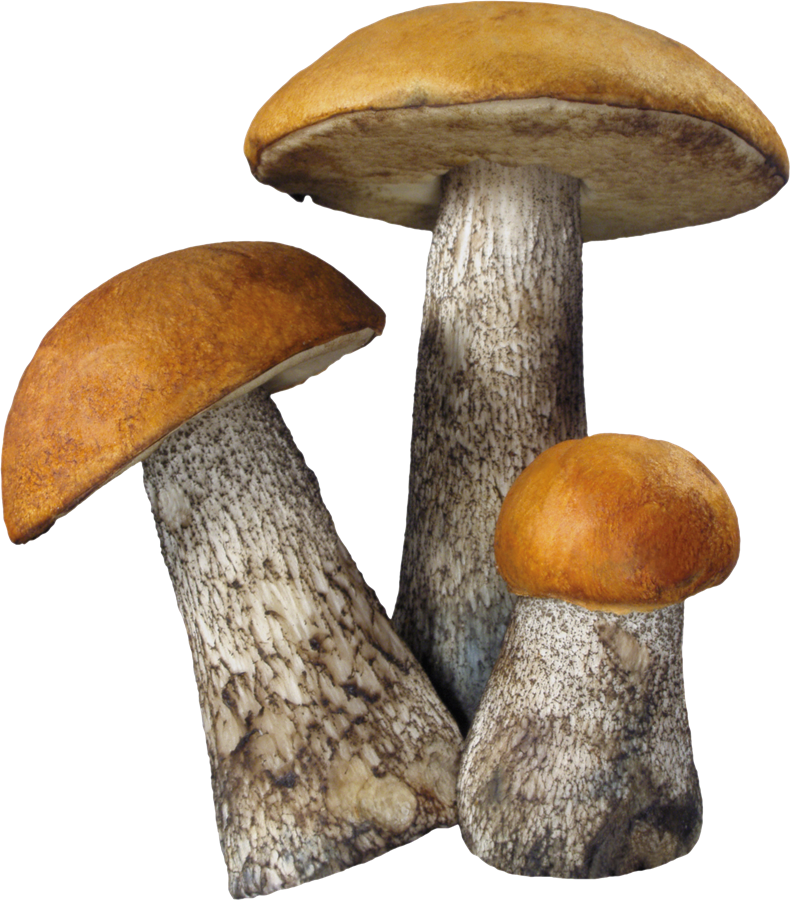
- Psilocybin mushrooms
- Ayahuasca (DMT-containing brew)
- San Pedro or Peyote cactus (mescaline)
🧠 Potential Healing Benefits
1. Mental Health Support
Studies show retreats can help with:
- Anxiety and depression
- PTSD
- Addiction recovery
2. Spiritual and Personal Insight
Participants often report:
- Emotional breakthroughs
- A sense of interconnectedness
- Greater self-awareness
3. Therapeutic Integration
Many retreats incorporate:
- Counseling or integration sessions
- Meditation and mindfulness practices
- Supportive group sharing
⚖️ Risks and Ethical Concerns
While retreats offer benefits, several risks and concerns exist:
1. Exploitation and Unqualified Facilitators
Some retreats prioritize profit over safety, leading to:
- Inexperienced guides
- Poor preparation or support
- Financial exploitation of vulnerable individuals
2. Physical and Psychological Risks
- Intense emotional experiences or “bad trips”
- Health risks for people with heart conditions or mental health vulnerabilities
- Legal consequences if substances are not permitted in the retreat location
3. Cultural Appropriation
- Commercialization of indigenous practices without proper respect
- Loss of cultural context and spiritual meaning
✅ Harm-Reduction Tips
- Research the retreat thoroughly: Look for experienced facilitators, safety protocols, and legal compliance
- Medical screening: Ensure any pre-existing health conditions are evaluated
- Mindset & preparation: Mental readiness is essential for challenging experiences
- Integration support: Choose retreats that offer follow-up therapy or reflection sessions
- Avoid high-risk retreats: Be cautious of programs prioritizing luxury or profit over safety
🌍 Legal and Regional Considerations
- Ayahuasca: Legal in a few countries for religious use, illegal elsewhere
- Psilocybin mushrooms: Legal in some regions (e.g., Netherlands truffles), mostly illegal elsewhere
- Lab-made psychedelics: LSD, MDMA, and similar compounds remain controlled substances in Europe, rarely used in retreats outside licensed therapy programs
Participants must understand local laws and potential consequences before attending a retreat.
❓ FAQ
Q: Are psychedelic retreats safe?
A: Safety varies widely. Retreats with trained facilitators, structured programs, and medical oversight are generally safer than unregulated commercial retreats.
Q: Can retreats provide lasting mental health benefits?
A: Many participants report lasting insights and symptom relief, especially with proper integration and support.
Q: Are retreats legal in Europe?
A: Legal status depends on the substance and location. Psilocybin truffles are legal in the Netherlands, but most psychedelics remain controlled substances elsewhere.
Q: How can I avoid exploitative retreats?
A: Research facilitators, check reviews, verify legal compliance, and look for retreats emphasizing safety, integration, and ethical practice.
🔮 Bottom Line
Psychedelic retreats can offer profound healing and personal growth when conducted ethically, safely, and legally. However, some retreats exploit participants, commercialize indigenous practices, or ignore safety, creating significant risks.
Education, preparation, and careful selection are essential to ensure a retreat is transformative rather than exploitative.